

India’s venture capital market is no longer only a story of more startups, larger rounds, and faster scale. It is increasingly a story of institution building: stronger governance, deeper domestic capital, better exit pathways, more disciplined fund management, and a more structured dialogue with regulators and policymakers.
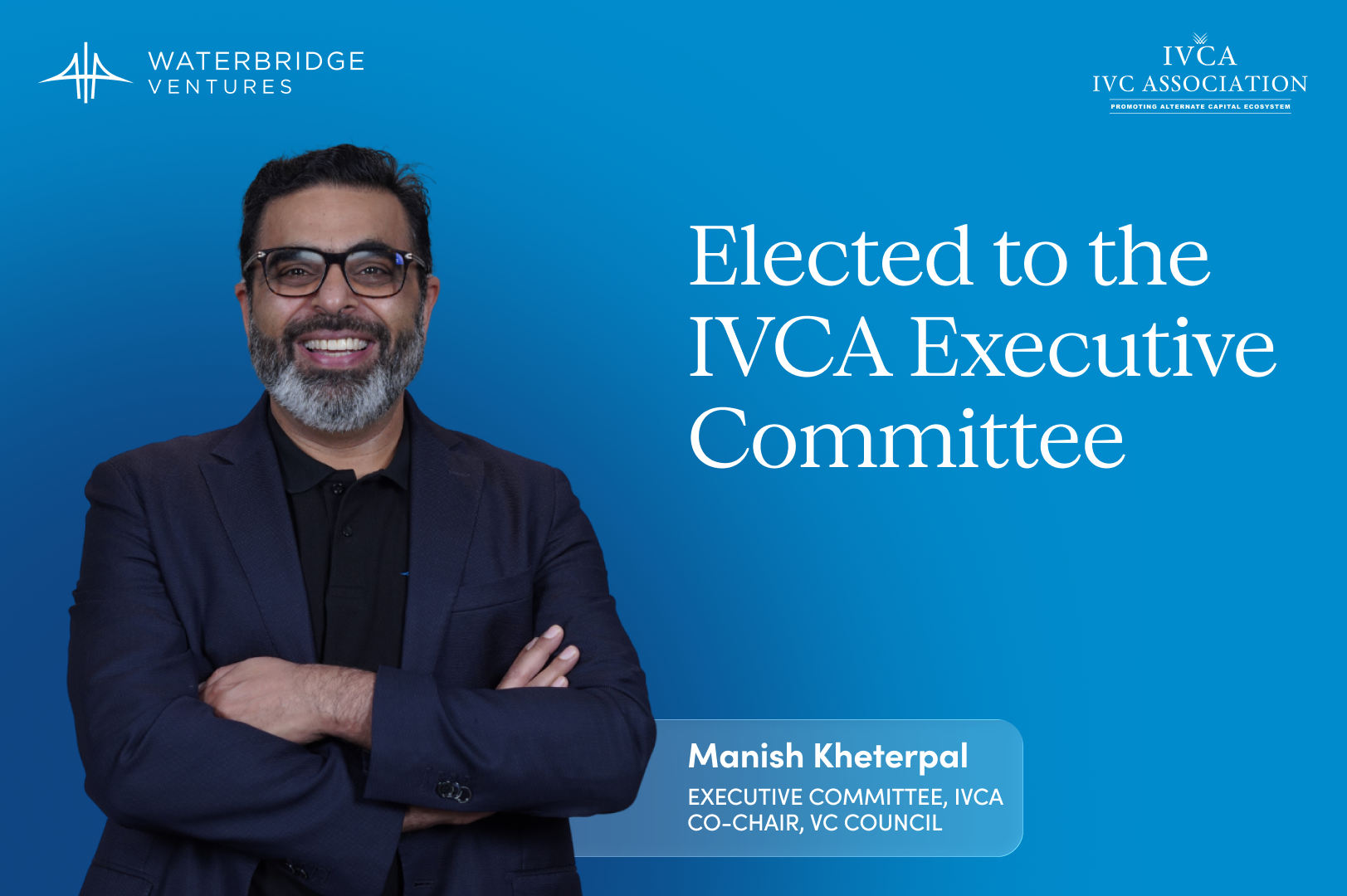
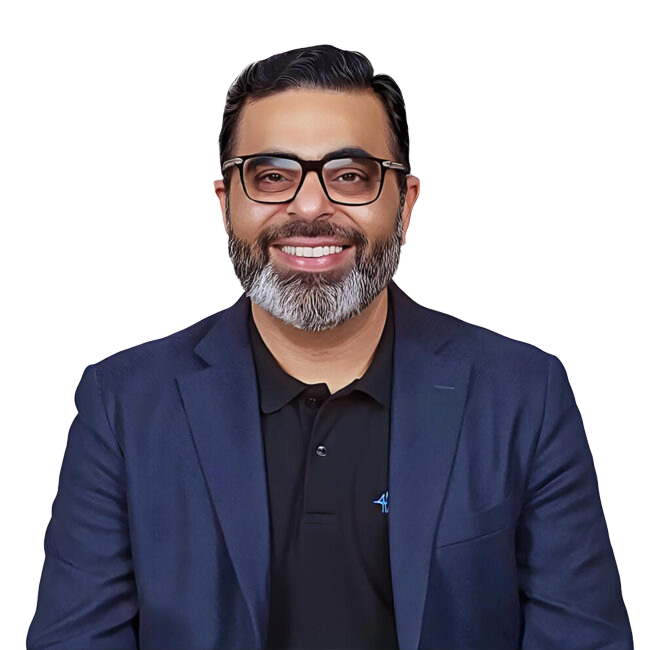
Manish, Co-founder and Partner at WaterBridge Ventures, is elected IVCA’s Executive Committee at a time when India’s alternate capital industry is becoming more central to the country’s growth story. IVCA, the apex industry body for India’s alternate capital ecosystem, works across advocacy, research, ecosystem building, and industry engagement. Its Executive Committee brings together leaders across venture capital, private equity, private credit, infrastructure, and institutional investing to help guide that work.
The appointment is both recognition and continuity. Manish will also continue his work as Co-Chair of IVCA’s Venture Capital Council, alongside Ashish Fafadia of Blume Ventures and Lavanya Ashok of Trifecta Capital. The Council’s agenda is closely aligned with the questions shaping India VC today: supporting micro VCs and first-time fund managers, strengthening capacity-building programmes, improving exit and IPO pathways, and expanding focus on deeptech.
Those priorities reflect how much the asset class has changed. India now has a more experienced founder base, more visible IPO outcomes, a stronger domestic LP conversation, and a new generation of fund managers building across seed, early growth, deeptech, climate, consumer, SaaS, and AI. At the same time, the bar for venture firms is rising. Fund managers are being evaluated not only on access and conviction, but on DPI, governance, LP communication, portfolio construction, and the ability to build enduring institutions across cycles.
As the industry matures, the conversation with regulators and policymakers needs to become more structured, more practical, and more solutions-led. Issues such as domestic capital participation, overseas fund structures, startup listings, secondaries, governance standards, taxation, GIFT City, deeptech capital, and fund-manager capacity cannot be solved by individual firms alone. They require coordinated industry work.
Manish’s involvement with IVCA continues in that institution-building lane. Through the VC Council, he has been associated with ecosystem initiatives such as VC101, Bharat Vapsi, and conversations around venture IPOs and exits. These initiatives point to a broader belief: India needs more capital, but it also needs better capital architecture. The market benefits when first-time fund managers understand the craft of venture, when Indian founders have clearer pathways to domestic and global capital, and when exit conversations are treated as a design problem rather than an afterthought.
The timing also matters. India’s alternate capital ecosystem is entering a more institutionally anchored phase. Domestic investors are becoming more active. Global LPs are watching India more closely. Public markets are increasingly relevant to private-market returns. Deeptech and AI are forcing longer-duration capital conversations. At the same time, governance and fund discipline are becoming more important as the industry moves beyond the liquidity assumptions of the previous cycle.
Manish’s election to IVCA’s Executive Committee places WaterBridge Ventures inside that wider industry conversation. For an early-stage firm that has long backed India-centric founders at the first-cheque stage, the role is a natural extension of the work: helping build companies, while also helping strengthen the capital environment those companies depend on.
The next phase of Indian venture capital will be shaped by more than the quality of founders alone. It will depend on whether the capital behind them becomes deeper, more patient, more domestic, more accountable, and better aligned with long-term company building.