

India’s private capital story is increasingly being told outside India. As global limited partners reassess growth, liquidity, and risk across markets, India is moving from a thematic allocation to a more sustained institutional conversation. The question for LPs is no longer only whether India is interesting but how to participate, which managers to back, which asset classes to understand, and how to underwrite the market across cycles.
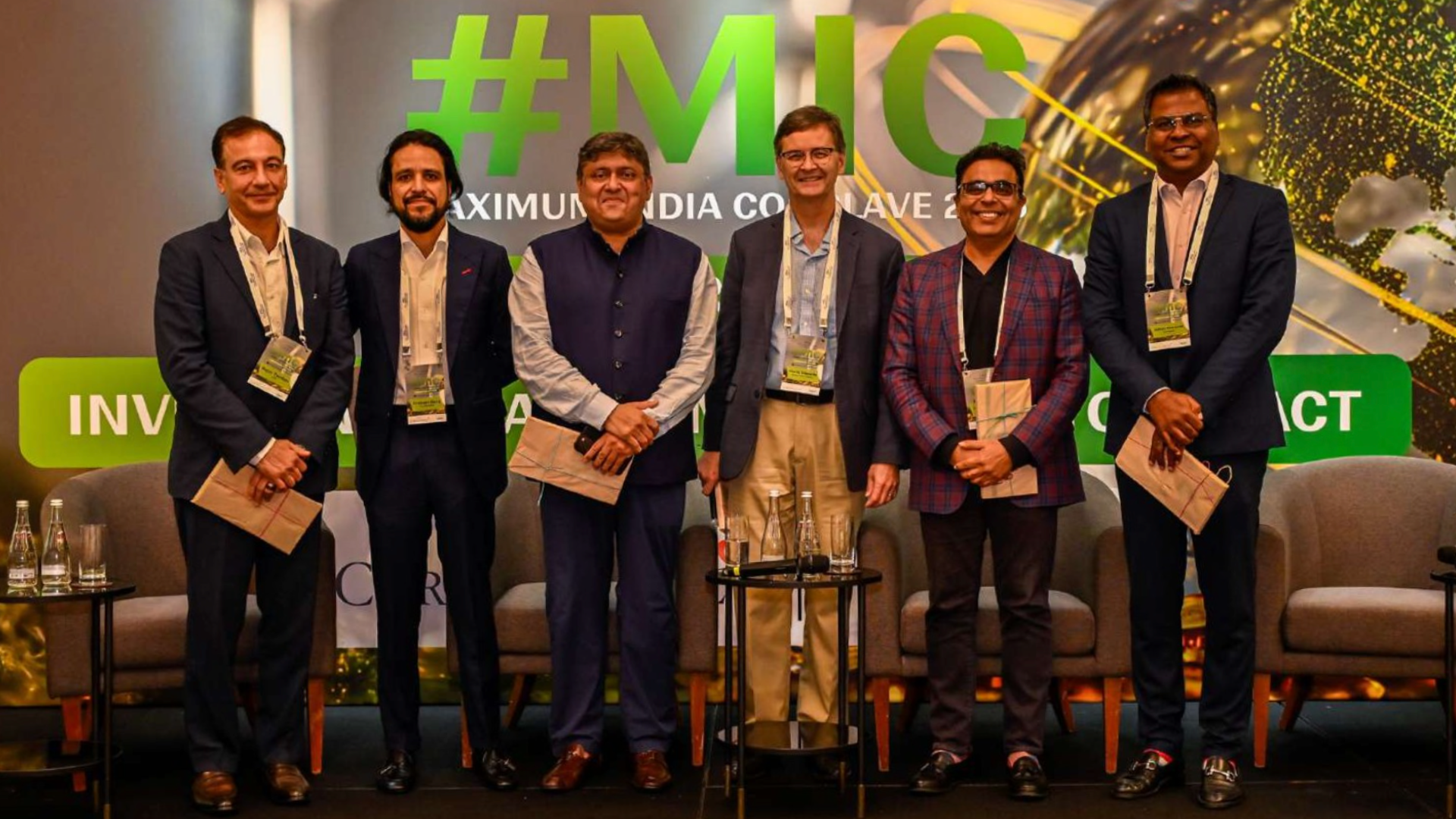
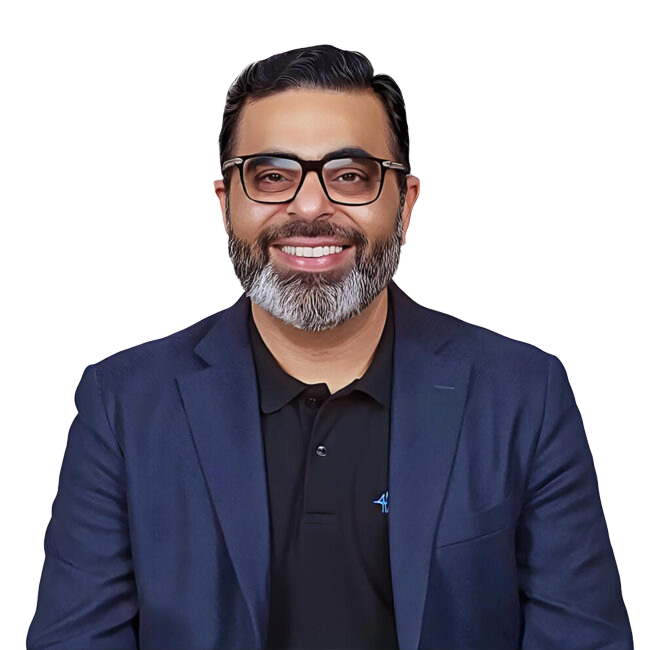
That was the context for IVCA’s Maximum India Conclave in Singapore, where Manish Kheterpal, Managing Partner at WaterBridge Ventures and Co-chair of IVCA’s VC Council, joined a session on opportunities in alternative investments. Moderated by Rajat Tandon, President of IVCA, the discussion brought together Kevin Edwards of Carnegie Mellon University, Praneet Garg of Asia Alternatives, Ashley Menezes of ChrysCapital, Manish Kejriwal of Kedaara Capital, and Manish Kheterpal representing WaterBridge Ventures’ early-stage venture vantage point.
The composition of the room was important. Maximum India was not a domestic industry forum speaking to itself. It was designed for the LP-GP conversation: how global allocators understand India, how Indian managers explain opportunity and risk, and how the alternate capital industry can build trust with investors who compare India against every other global growth market.
For India, the timing is constructive. Private equity and venture capital activity over 2021-25 has expanded meaningfully compared with the previous five-year period, while exits have more than doubled. Venture and growth equity also continued to recover in 2025, even as parts of global private capital remained selective. Public markets have become more relevant to private-market returns. Domestic institutions are participating more actively. Founders are scaling faster. The raw ingredients of an institutional market are becoming more visible.
But global LPs do not allocate to momentum alone. They allocate to repeatability. That is where the conversation becomes more serious.
India’s opportunity has to be explained through manager quality, governance, liquidity, sector depth, and the ability to return capital. A strong macro story may open the door, but it does not answer every LP question. How consistent are exits? Which sectors can absorb large pools of capital? How does currency risk affect returns? How deep is the domestic buyer base? How should LPs think about venture, growth, buyouts, private credit, and infrastructure within one India allocation?
Manish’s participation brings the early-stage venture lens into that wider conversation. Venture capital sits at the front end of company formation, where the India story is still being built founder by founder. For WaterBridge Ventures, this means backing companies before the institutional consensus forms, while also contributing to the industry structures that help those companies access capital over time. A stronger LP-GP bridge helps the entire chain: first-cheque funds, growth investors, late-stage capital, public markets, and ultimately founders.
The Singapore setting also matters. For many global allocators, India is not evaluated in isolation. It is compared with Southeast Asia, China, the Middle East, and other emerging private-market opportunities. A forum like Maximum India allows Indian fund managers to present the market with specificity: where India is structurally attractive, where it is still hard, where exits are improving, and where manager selection remains decisive.
India’s alternative investment opportunity is not risk-free. Valuations can move ahead of fundamentals. Exit windows can close. Governance standards vary. Some sectors absorb capital better than others. Venture outcomes remain uneven. LPs need managers who can translate India’s complexity into disciplined underwriting rather than broad optimism.
The more compelling argument is that India’s private markets are becoming institutionally legible. The founder base is deeper. Public markets are more receptive. Domestic capital is growing. Regulatory engagement is more structured. Industry bodies such as IVCA are creating the forums through which global LPs can ask harder questions and get more grounded answers.
Maximum India Conclave sits within that shift. It brings India’s alternate capital story to the allocators who will help determine how durable the next phase becomes. Manish Kheterpal’s presence on the panel reflects WaterBridge Ventures’ role in that conversation: not only as an early-stage investor, but as part of the institutional work required to make Indian venture capital more understandable, more investable, and more resilient across cycles.
The next phase of India’s private capital market will not be defined only by how much capital arrives. It will be defined by how well that capital is matched to managers, sectors, time horizons, and exit pathways. Maximum India is one place where that matching begins.