

Making public bus transportation great again

In 2017, VCs in India were optimising for ride-hailing and private transport. Mohit and Priya themselves had co-founded and exited CarWale, a car ownership platform. They had seen the perils of pushing citizens to own individual cars. Cities would be congested, masses would spend more hours in traffic. Public transportation was the only solution. It was unglamorous, and nobody was solving for it. So the team took it upon themselves.

"Many can give you money, but only WaterBridge will help you think big, and will roll up their sleeves to actually help you get there. If you are a Series A or Seed stage startup, we would strongly recommend you to pick WaterBridge over anyone else, including all the big names."
The lifeline for 200M Indians. Not a problem to route around
$20B bus ticketing market, 2X the size of the cab market. The largest, yet the least-glamorous slice of Indian transport. Chalo wanted to start by making the bus itself more predictable. No more aimless waiting for two hours at the bus stop. Full-stack tech disruption planned for a sector that had not seen any. Most boards would have pushed the company towards the high-margin urban rider. Not us. To perfect the process, Chalo went to a city that didn’t speak English, and operated almost exclusively on cash. One bus, one operator, one chai with the depot manager at a time.
Seasoned, successful founders united by a shared passion
Mohit, Priya and Dhruv had spent a decade building CarWale into India's #1 car buying portal. Vinayak was also a 2X entrepreneur. CarWale's decade-long success had served only ~3% of India. The four founders had a new mission, to serve the other 97% that rode a bus.
200M+ daily bus riders that no one pays any heed to
Buses are India's most prevalent form of public transport. Yet, it grappled with the most problems. 95% of bus tickets in India were paid in cash, monthly passes were rare, and there was no certainty about any bus schedule. The largest pool of daily commuters had no one to turn to.
Start with live tracking. Then build the entire stack.
Chalo put GPS devices on the bus, developed live tracking algorithms, created digital payment rails, automated fare collection and distributed ticketing devices. The moat is the rails. Until Chalo, the fleet owner often didn't know how much money the conductor had collected that day.
From ‘Kab Chalogey?’ To ‘Mere Paas Chalo Hai’
- 2014
A Guide for Indians waiting at the bus stop.
Started as a journey planner that showed published routes and schedules so riders could choose the fastest, cheapest way home. Soon discovered that buses in India don't keep schedules. The timetable concept had to be abandoned.
- 2016
The first Zanjeer (chain) is broken in Indore
The first break came in 2016, when Indore's largest bus operator installed Chalo's GPS devices on its buses. Pilots and experimental services rolled across Mumbai and Nagpur, fine-tuning the live-tracking and live-arrival algorithms. The depot wallahs became the first true believers.
- 2017
Others said namumkin (impossible), WaterBridge said Chalo (let’s go)
WaterBridge commits to the ride and dons the cap table. The road ahead seemed mythical. Cashless payments and app-based ticketing sounded like a fairytale in this category.
- 2018
Kitne Buses The? None in Bhopal that couldn’t be tracked live.
Bhopal becomes the first 100% live-tracked city. 25% of Bhopal bus commuters on the Chalo app within a month of launch. Start of a new era, when buses are no longer unpredictable. Today, nearly every Bhopal bus passenger with a smartphone has Chalo.
- 2020
The fight for Do Bigha Zamin to stay afloat
Chalo introduces contactless payment as a public-health tool during the pandemic. 100% cashless buses. The founders fought hard for the livelihoods of every bus owner and operator. It emerged from the pandemic years being 9X more operationally efficient.
- 2023 - today
Mr. India — India’s #1 bus transport technology app, goes global
Raises $45M Series D. Becomes the invisible rails that move riders across 50+ cities globally, including Lima (Peru) and Manila (Philippines). The bus arrives. The rider taps a card. The conductor smiles. No one sees the stack underneath. Customer khush hua.
A WaterBridge note
A couple of years had passed after Mohit’s CarWale exit in 2017. Mohit had decided to raise an institutional seed. A seasoned entrepreneur with superlative domain insights. Naturally, the round was coming together quickly.
Manish had flown in to Mumbai for what was supposed to be a half-hour meeting with Mohit. That went on for 6 hours. Manish had to reschedule his flight, and Mohit cancelled his meetings for the day. They discussed city-by-city scale-up, navigating government tenders and even exit scenarios. Quite forward-looking by 2017 standards, given none of the startup IPOs had happened.
That meeting also changed the dynamics of Chalo’s round.
We knew we were doing the non-consensus. Chalo’s initial few years would be heavily reliant on government contracts. There were no VC successes in India that took the B2G route. But we were backing the drivers, who had the deepest empathy for Indian commuters and their plight. That empathy would definitely find a path.
Today, a student can get to school without worrying about being late. A father can live-track his daughter’s return from work. Not having spare change would not be a concern. Chalo has made it possible. We’re privileged to play a tiny role in that.
The bus, online, city by city
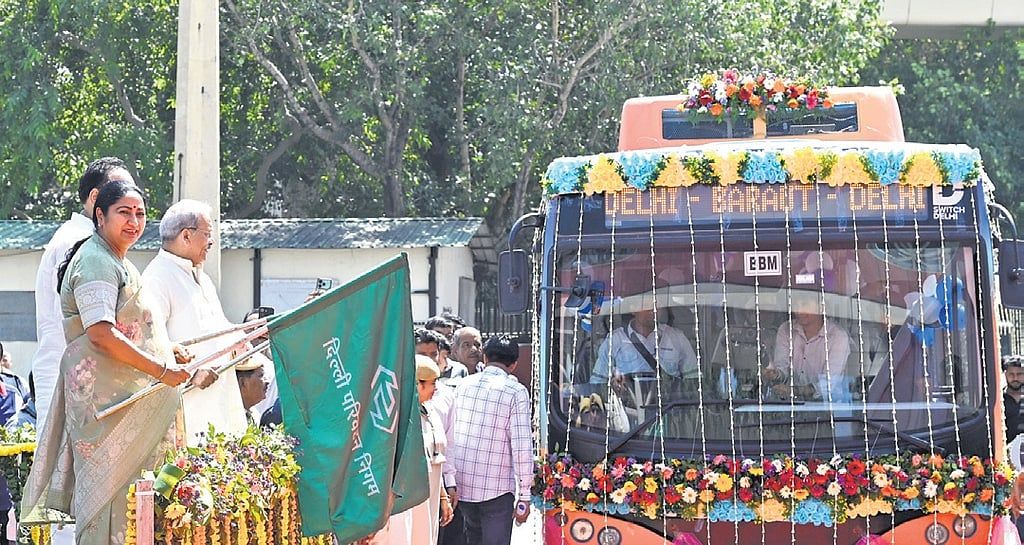
Delhi CM Smt Rekha Gupta launches the Chalo App
This partnership with the Delhi Transport Corporation (DTC) will help commuters track their buses live
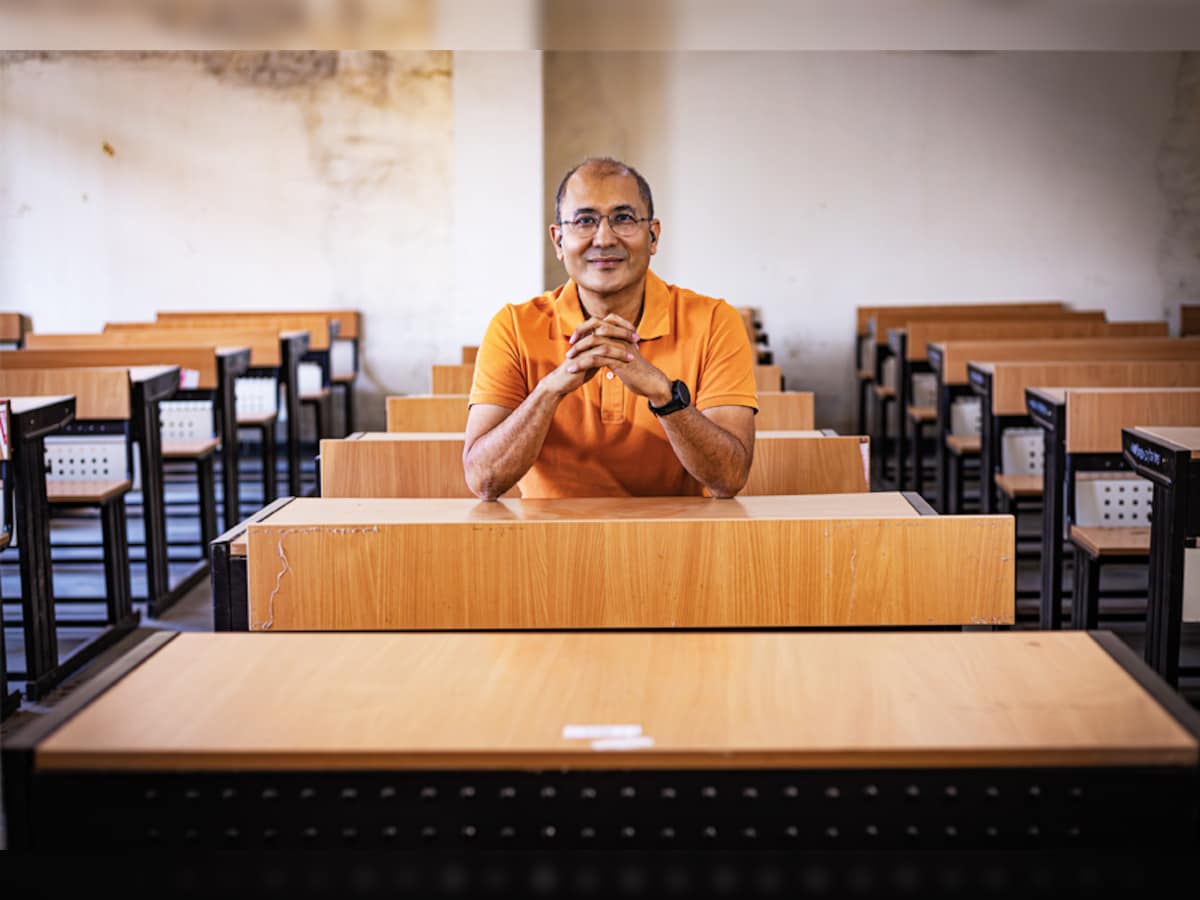
From a small town to two billion-dollar ideas
Forbes India profiles Mohit Dubey's improbable founder journey
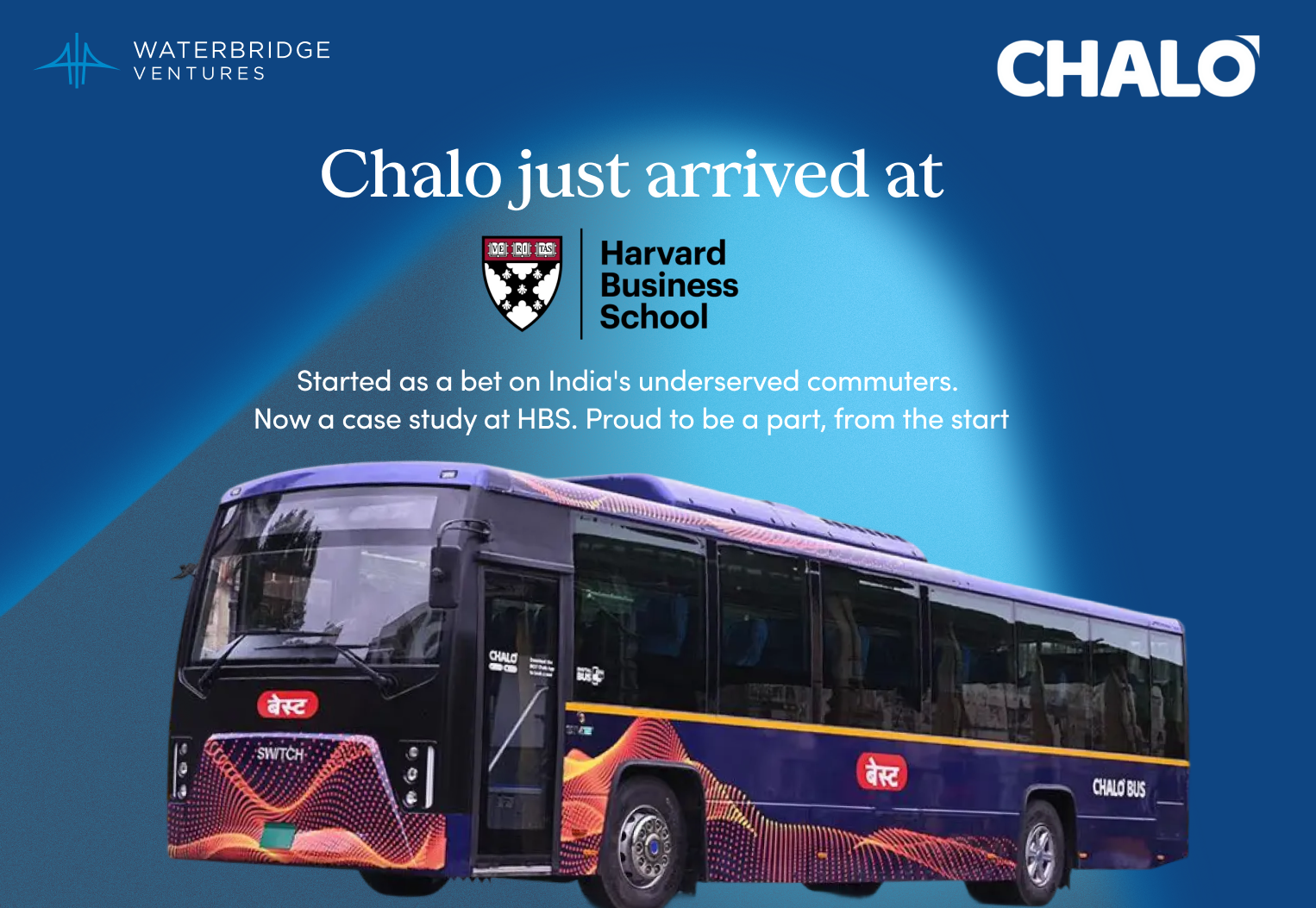
Chalo is now a case study at Harvard Business School
The tech stack forged in the world's hardest transit market can travel globally
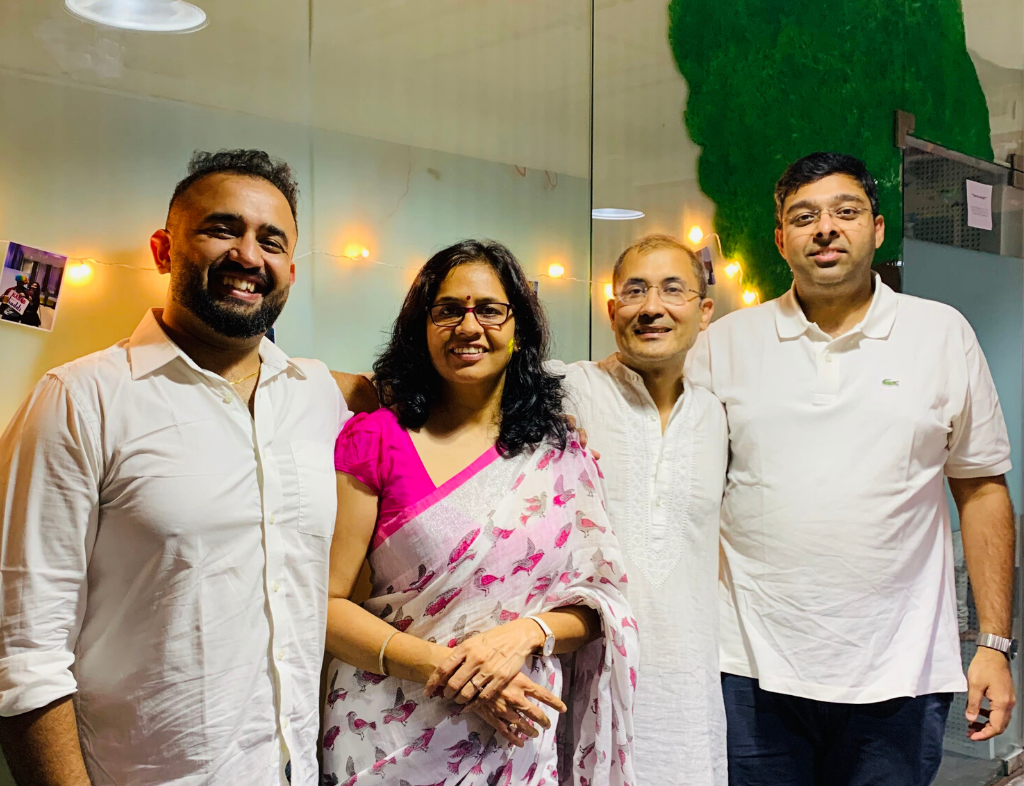
Chalo raises $45M Series D to take its bus stack global
Further deepen its mobility offerings and launch in more international markets
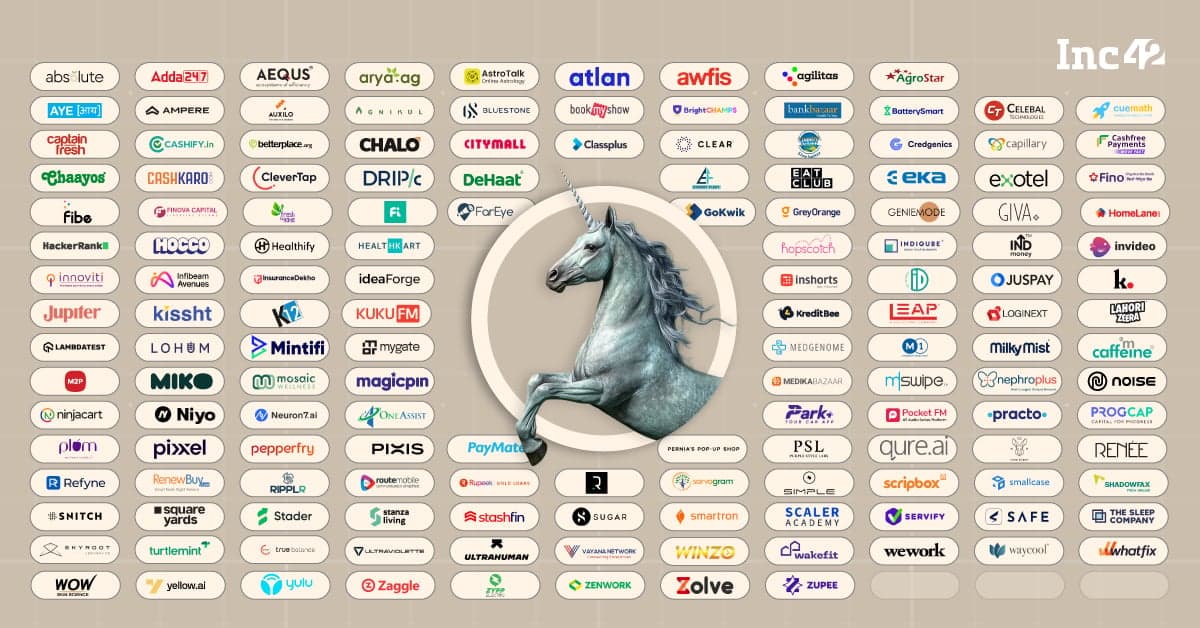
Chalo named among India's unicorns of tomorrow
Inc42's soonicorn tracker lists the bus technology pioneer
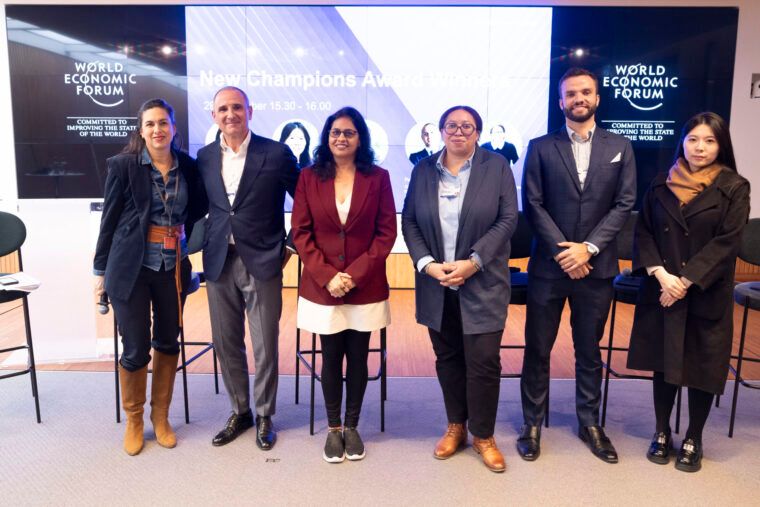
Chalo wins the WEF New Champions Award for innovation
The only Indian startup honoured among ninety global winners
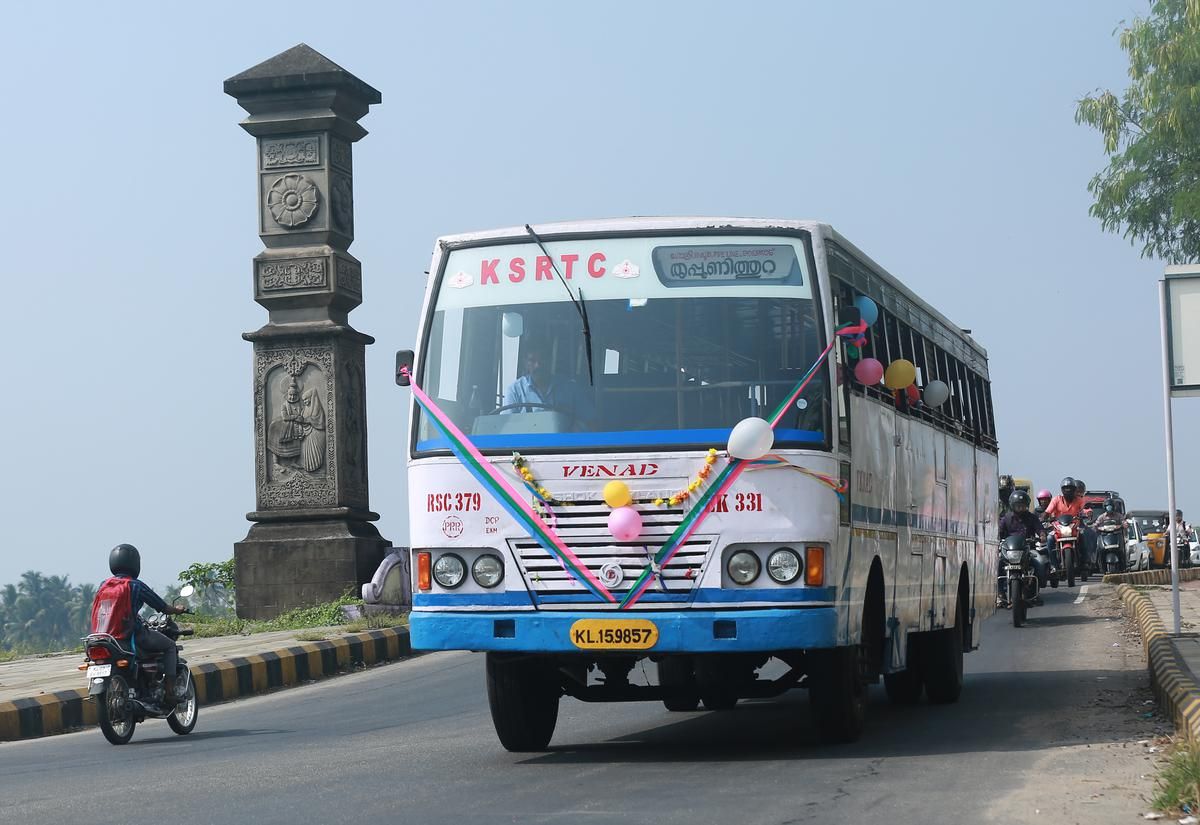
Chalo brings live tracking to KSRTC's bus fleet
A state transport corporation goes digital with Chalo
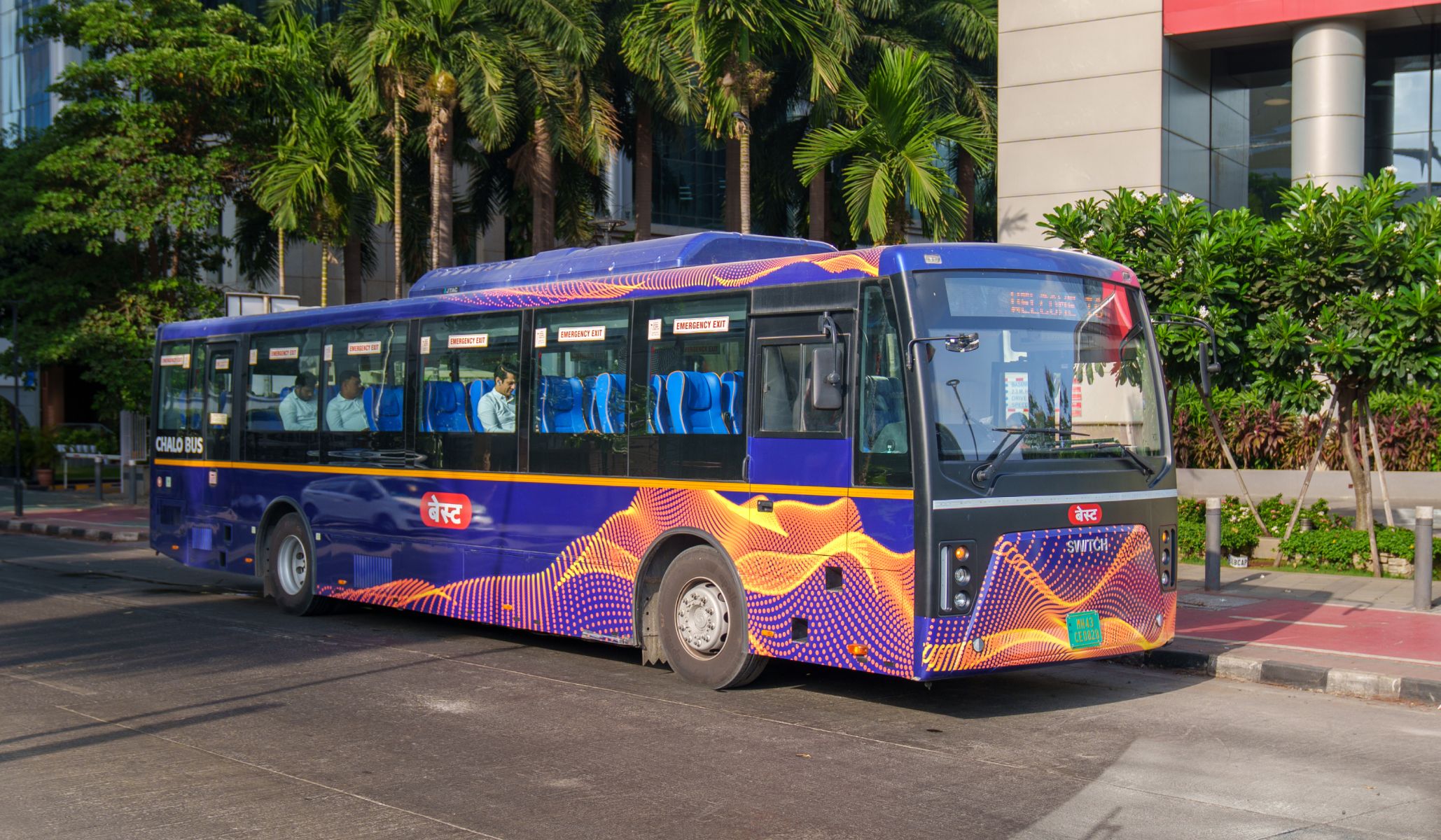
Four billion bus rides a year across sixty-five cities
Chalo now powers thirty thousand buses across three countries