

Bharat's everyday cartPrice Guaranteed

In 2019, e-commerce had reached a level of saturation in the metros. The next frontier awaited in towns beyond the bypass. A simple trickle-down playbook should be fine. Or so they thought. Nobody accounted for their wall of distrust, low AOVs and unique assortment needs. To address that, one needed to address demand density by re-engineering the distribution rails, create SKUs that match spending patterns, build an on-the-ground face of trust, and optimise every rupee in the chain. Seemingly simple things to do. But nobody was willing to do it. And that's how a $320B market lay wide open for disruption. Angad, Naisheel and Rahul stepped in.



"WaterBridge is very direct in giving feedback and extremely founder-friendly. I still recollect our first conversation with Manish, where he was more keen on understanding why we’re upbeat about Bharat. Even today, the first question he asks is, “What do you want to do?”"
Building the lowest-cost grocery distribution channel in India
Angad replicated the supply chain that delivers a ₹10 newspaper to your doorstep. For the local micro-entrepreneurs, the incremental ₹8K monthly income is meaningful. They have disposable time. CityMall transformed that into disposable income. These entrepreneurs reside within a km of the end consumer, work on a 100% variable model, and perform hyper-local milk runs at flexible hours. They're the moat that no amount of capital can displace overnight.
2X founders who chose the unglamorous town
IIT engineers who grabbed the open opportunity in India's Tier 2+ small towns when everyone else was fighting over the metros.
200M value-conscious Bharat households with a $320B annual grocery bill
For a family earning ₹25K/ month, every rupee saved is a rupee earned. Their basket size is 1/4th that of a DMart customer. And to them, aspiration is a category that their parents didn't have.
Winning at a ₹500 AOV, where all other existing models break
Kirana, modern trade, e-commerce, and quick commerce fail at this AOV. But CityMall cracked the code that price > choice > brand > convenience. So, it decided to win on what matters the most - cost.
From Rewari to Rohtak. The towns that organised retail couldn’t crack, but CityMall did
- 2019
Trial ball: a hair-curler from China
Angad starts CityMall as a scrappy group-buying service over WhatsApp. They sold long-tail, low-volume imports from China. They notice that small towns buy Maggi without hesitation. They promptly pivot to daily groceries.
- 2020
One tip, one hand: improvised game, improvised rules
Constraints force gully cricket to have novel rules. CityMall had constraints - low AOV, scattered demand density, high price sensitivity. So it devised its own rules. Local entrepreneurs unlocked marketing and last-mile delivery. Batched deliveries and bulk orders unlocked margin.
- 2020–21
Woman of the match: a school-teacher named Sunita
Mother of two, Sunita Yadav, from a village 2.5 hours from Delhi, becomes a 'silver director' among CityMall's micro-entrepreneurs. CityMall helps her earn an additional ₹15K/ month, which sponsors her sons' education. Such Sunitas are now in 10 towns.
- 2022
Power Play: Social commerce takes a hit
CityMall raises Series C, but the mood turns right after. CityMall right-sizes resources. Deeper introspection about margin and profitability. A maiden over after a powerful start.
- 2023–24
Second Innings — grocery, focused
Doubles down on private labels and regional brands. Pioneers the local entrepreneur model to build the lowest-cost grocery distribution rails in the country. Clocks 2X YoY growth.
- 2025 - Present
Chasing a massive total: as Bharat cheers on
Raises $47M Series D. Now a quarter of the business is driven by private labels, and is live in 60+ cities. Every one of the detours has led to the right road.
A WaterBridge note
By 2019, Angad had had two enthusiastic conversations with WaterBridge already. The third time was the charm. Social commerce for Bharat was hot. Meesho had raced to a unicorn; DealShare was close. Then came the sudden turn. The shine lost its sheen. And CityMall had just started.
People said Bharat is a low AOV market. No brand loyalty exists. They’re not digitally savvy.
But Angad’s earned insights, working out of a warehouse in a village, were nuanced. Bharat’s low AOV ≠ low willingness to pay. While their monthly spend remains the same, DMart customers order 1X a month, whereas CityMall customers order 4X a month.
Brands need to earn their loyalty. The decision-making mother knows exactly the 2 brands available, and picks the one with better value. Convenience ranks last.
She prefers voice to search and navigate on the app, not typing. Her daughters prefer Korean Ramen, muesli and karaoke systems, items that she had no idea existed.
We kept doubling down on CityMall when consensus was to dive into the quick commerce frenzy. We backed them in every round since Seed. Even at Series D, we wrote the largest cheque amongst follow-on investors.
Conviction needs patience to play out. And patience compounds.
Bharat, online, by way of the neighbour
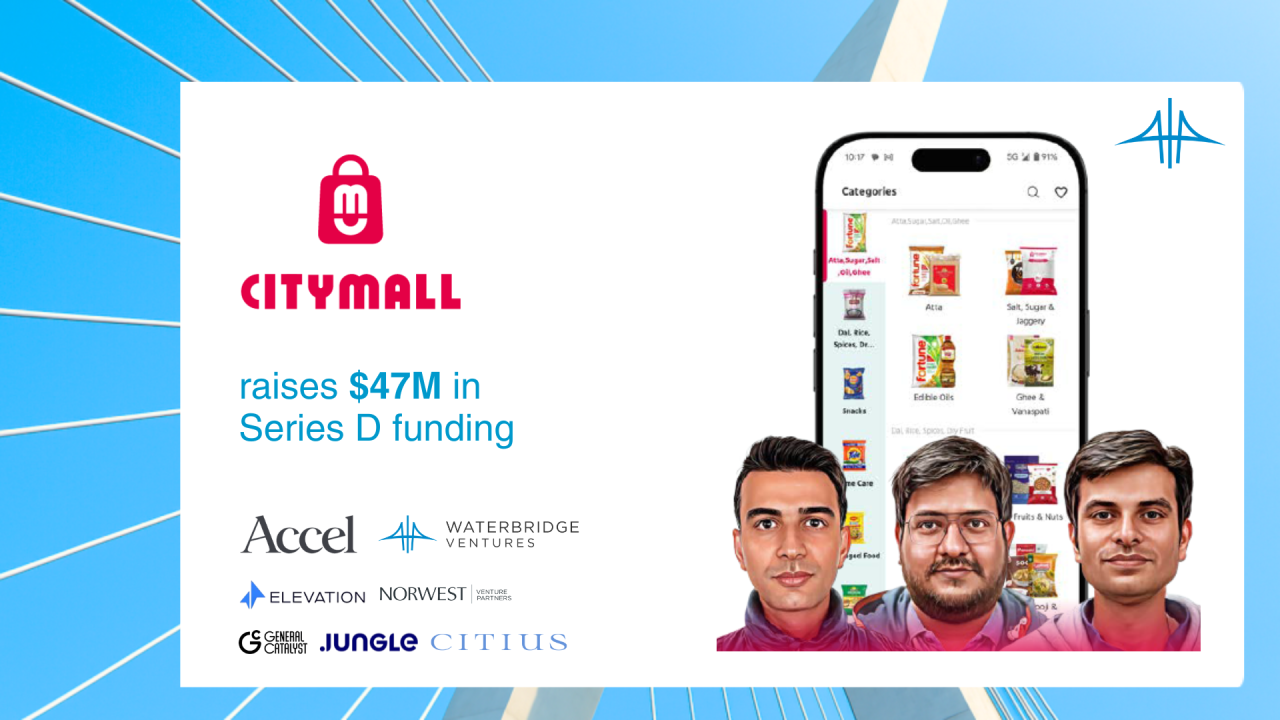
Bharat's everyday grocery store CityMall raises $47M Series D
Scale up offerings to value-conscious customers who make planned grocery purchases
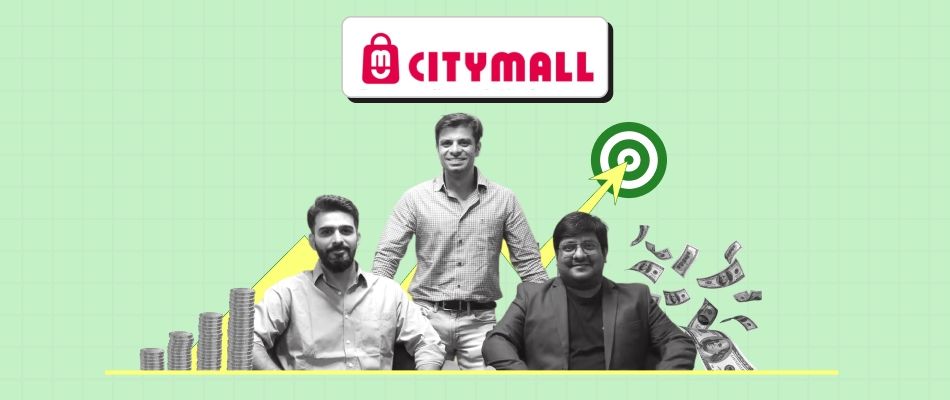
Inside CityMall's private-label push and value equation in grocery
Boost margins and unlock wallet share by penetrating deeper into existing markets
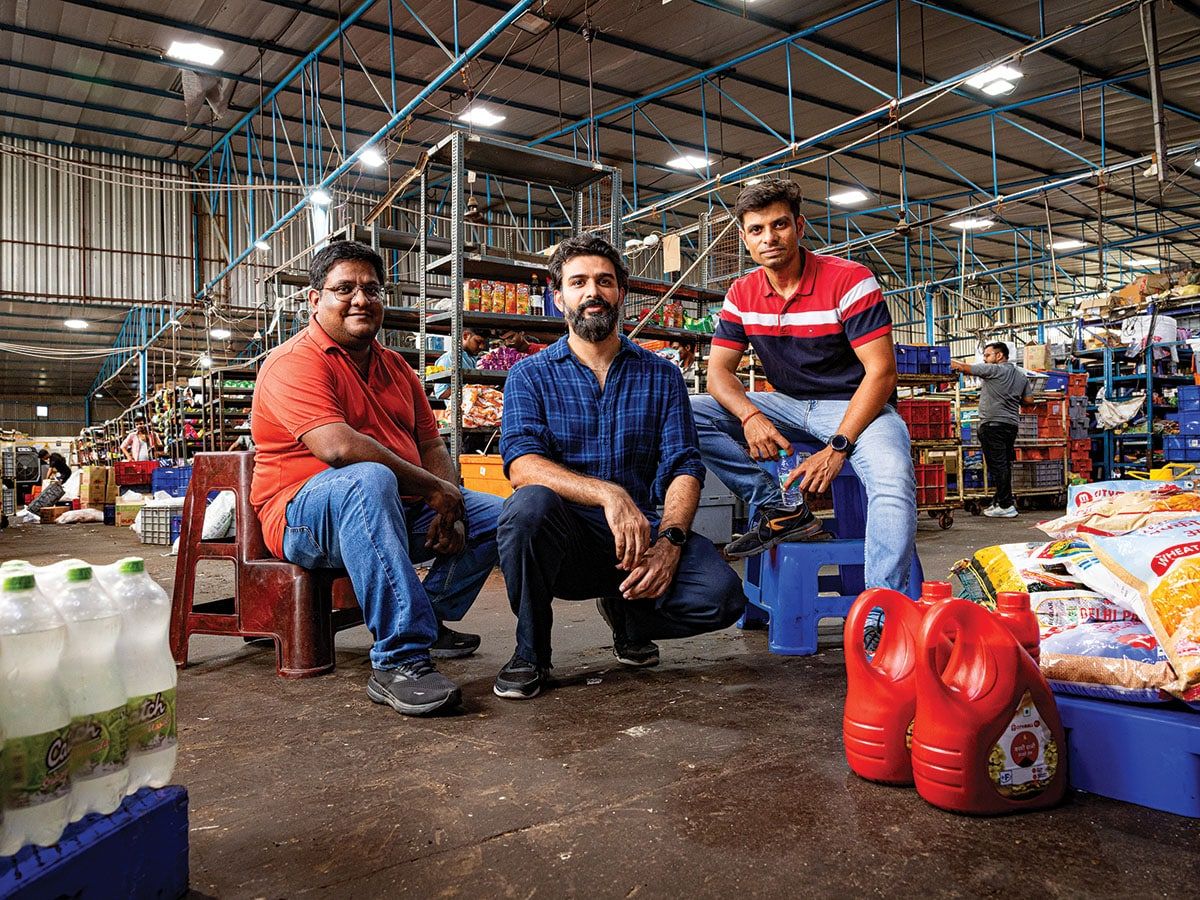
The startups catering to Bharat's demands
Winning with a next-day delivery model, at significantly cheaper last mile cost of delivery
Angad Kikla on CNBC-TV18 about the $47M round
CityMall's founder on building value commerce for small towns
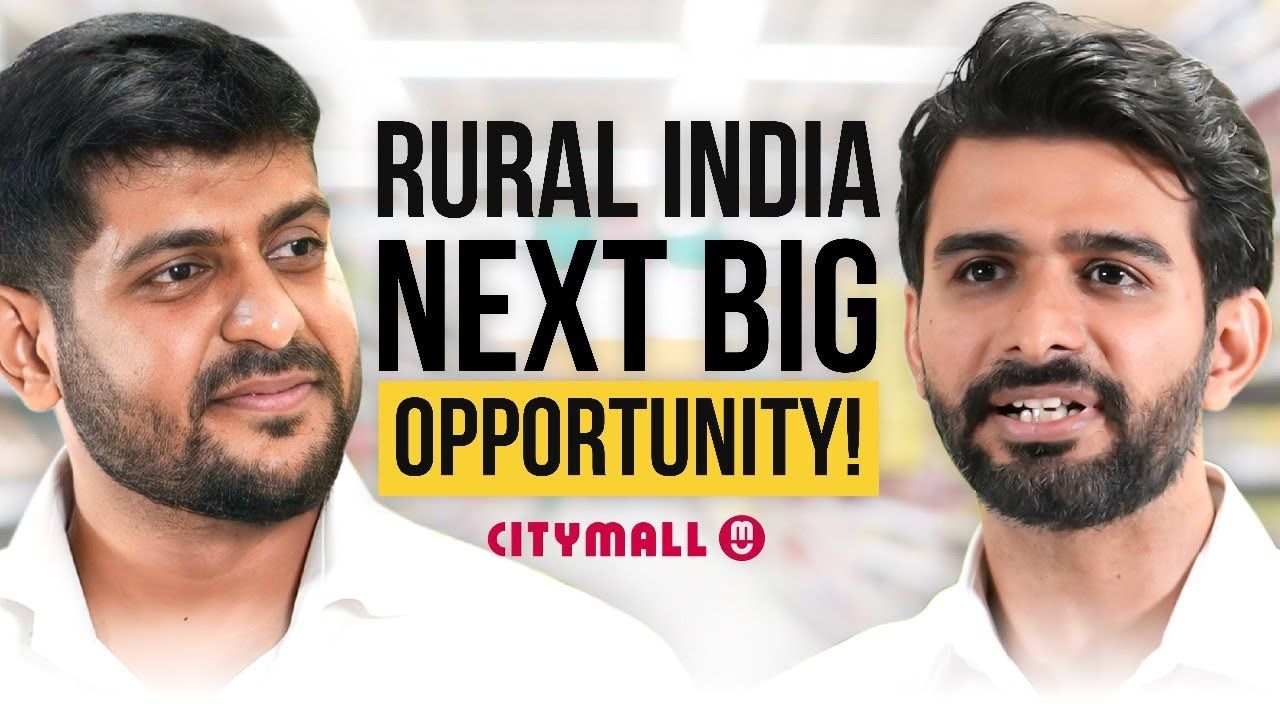
The next billion dollar opportunity in India
Succeeding in the low-ticket grocery delivery business, by giving customers the best value
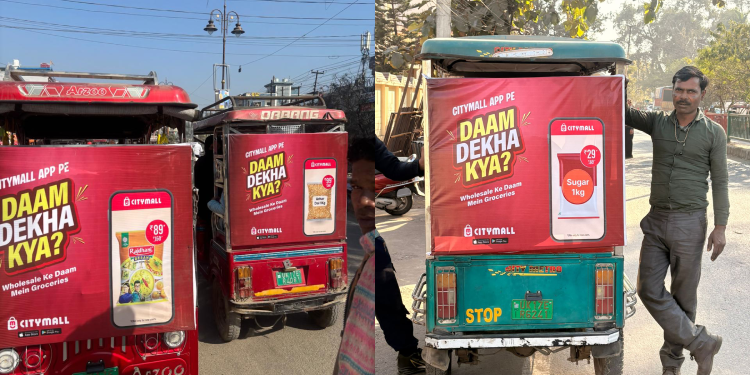
CityMall rolls out 360° campaign to drive tier 2 & 3 expansion
CityMall is building the infrastructure for the future of commerce specifically for Bharat
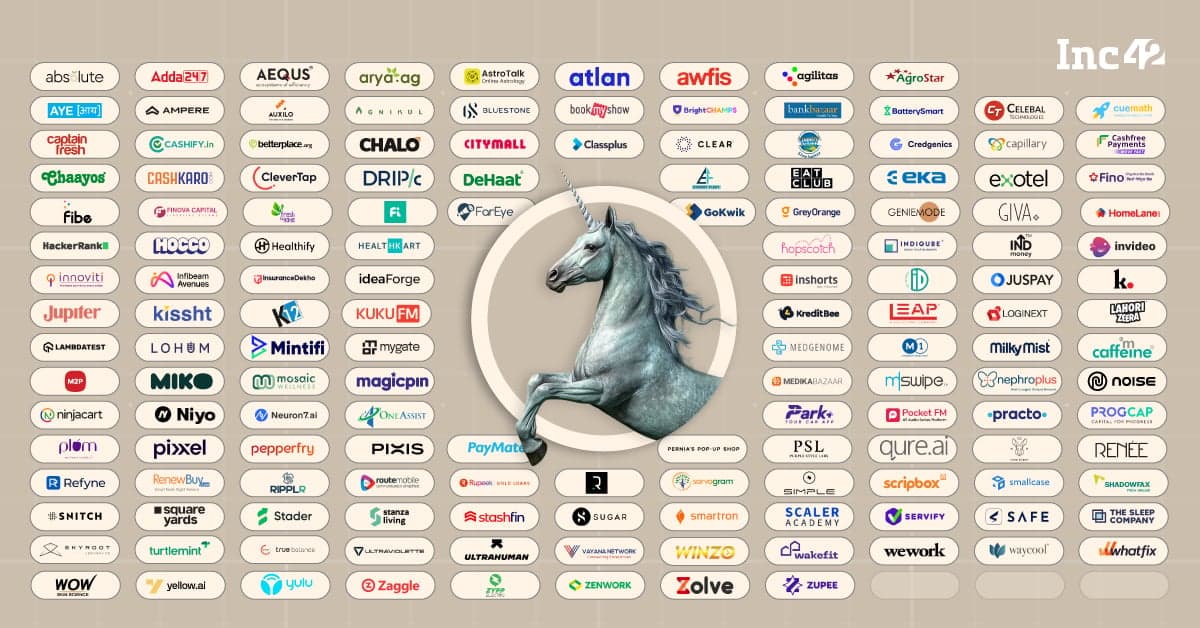
CityMall named among India's unicorns of tomorrow
Inc42's soonicorn tracker lists the Bharat commerce platform
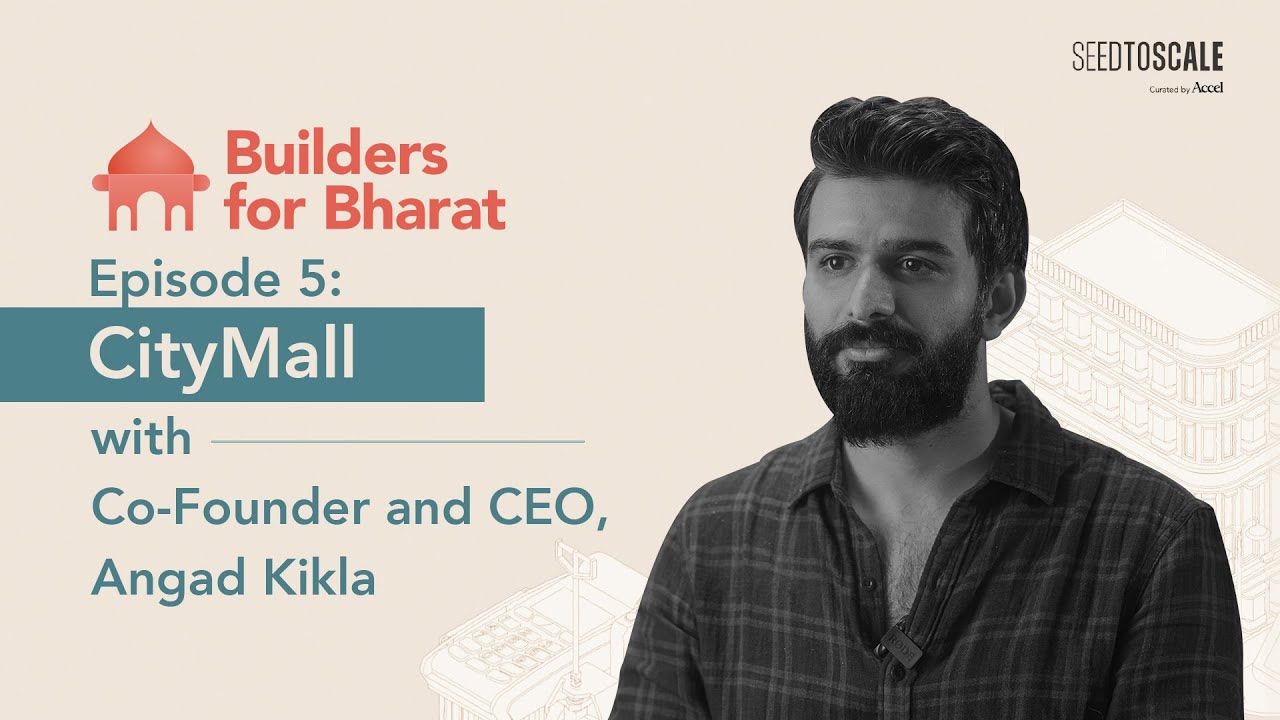
Playbook for solving e-commerce in India's Tier 2+ towns
The Bharat market is more value-conscious and prioritizes price over convenience