

AI chefs at homeFrom a Bengaluru garage to a San Francisco countertop

Two school friends graduated from college in 2016. One was a tinkerer who loved cooking. When asked to do it daily, love turned into a chore. To the other, home-cooked meals meant love served on a plate. They joined hands to take up a technical challenge “that was intellectually stimulating, almost mischievously ambitious”. The goal was to build cooking robots. When we wrote the first institutional cheque in 2019, Posha (then Nymble) was just a robotic arm, a garage in Bengaluru, and two engineers who refused to ship a demo until the appliance actually cooked.


"Backing a consumer hardware company out of India was not the consensus call. WaterBridge wrote the cheque anyway. They were the first to call it, and they kept calling through the years it took us to ship. What we remember more than the cheque is what came after - the constant check-ins during Covid, the follow-on when the bank balance ran low, the introductions when we needed to talk to investors. They underwrote us. Six years later, dinner cooks itself."
Hardware - hardwired to reclaim hours of hard work
2019. Consensus was that India was a decade early to consumer hardware innovation. China dominated manufacturing lines. US exported design. The classic Apple playbook. AI was a novelty, not mainstream. But Raghav and Rohin refused to let reality dent their ambitions. Families need fresh ingredients to prepare food that provides real poshan (Sanskrit for nourishment). Robots would go a long way in making that possible. Posha was meant to be that.
Engineers who dreamt of tech-ing over kitchens
Food was a dinner-table topic, but mothers need not sacrifice at the kitchen to serve stove-cooked love. Robots can take over, one kitchen at a time.
Health health everywhere, not a bite to eat
Everyone wants to consume fresh food. But kitchens are a time sink. The innate nature of a family to provide and eat together can be augmented by a native resident in the kitchen. It need not be a human.
3 countries, 30 moving parts, 300 pieces
Delicious food cooked by a microwave-sized countertop unit with a mounted camera that runs computer-vision models. Autonomous cooking systems that get better on autopilot.
Teenage friendship ripening into AI chef-builders
- 2016
Think coffee machine, but for food.
Raghav starts Nymble after experimenting with a robotic arm to replicate home-style Indian cooking. Rohin Malhotra joins as co-founder. The prototype was built in their parents' garage. Ambitious and counter-intuitive thesis: the unlock for home cooking is hardware, and execution cannot be asset-light.
- 2018
Build the bot. Drop the arm.
Bosch's startup accelerator. The team leads with a free-moving robotic arm. Customers reject it outright. They don't want an autonomous mobile element in their kitchens. The first pivot resulted from an act of listening.
- 2019
The first cheque. The first love.
No product in sight. Designs exist on paper, but need cash to reach the factory. We backed the audacious minds stubborn on building a world-class consumer hardware product designed in India. In most rooms, we'd be labelled crazy.
- 2020–23
Navigating wilderness.
The world saw a pandemic. Supply chains disrupted, shipping timelines jeopardised. The in-house culinary team kept calibrating dish after dish against the machine's behaviour. No press, no demos, no noise. Just patience and grind to get steel and aluminium replicate the deft touches of a human hand.
- 2024
Eureka! Eureka! The machine cooks.
The first commercial batch sells out in the US. Pre-orders for the second batch exceed expectations. Seven years of solder, now delivering warm food. One plate at a time.
- 2025 - Present
Recipe perfect for TIME’s Best Inventions of 2025.
Nymble rebrands to Posha, raises Series A. Wins the SXSW Innovation Award and shares the stage with Mark Cuban. Sets Japanese national TV on fire in a cooking face-off between robots. Former WSJ tech columnist Joanna Stern writes a chapter about Posha in her book ‘I'm not a Robot’. Posha is now a TIME-less product serving 500+ recipes across 10 cuisines.
A WaterBridge note
Everyone else twitched at the thought of leading the round in 2019. We were in a tricky situation as well. Fund I was nearing the end of its deployment. As risk underwriters, we were about to see the first batch of write-offs. DeepTech was not a buzzword. India was not known for consumer hardware. Growth capital for non-e-commerce companies wasn’t exactly lining up outside the door.
But we backed raw ambition. Building a physical machine slowly was contrarian. Infusing AI into it was egregious. Selling it in the US was crazy. The whole bunch put together - incredulous.
Today, all of that is day-to-day. Lenny Rachitsky is a customer, so is Ben Yu and Peter Yang. And the taste of the food? An Indian mother in the Bay Area told her son that the robot's biryani was almost as good as hers.
We are honoured to have backed the team as they navigated one disbelief (the idea is crazy!) to another (what I see is crazy!). Six years of compounding work in between.
Dinner, autonomous
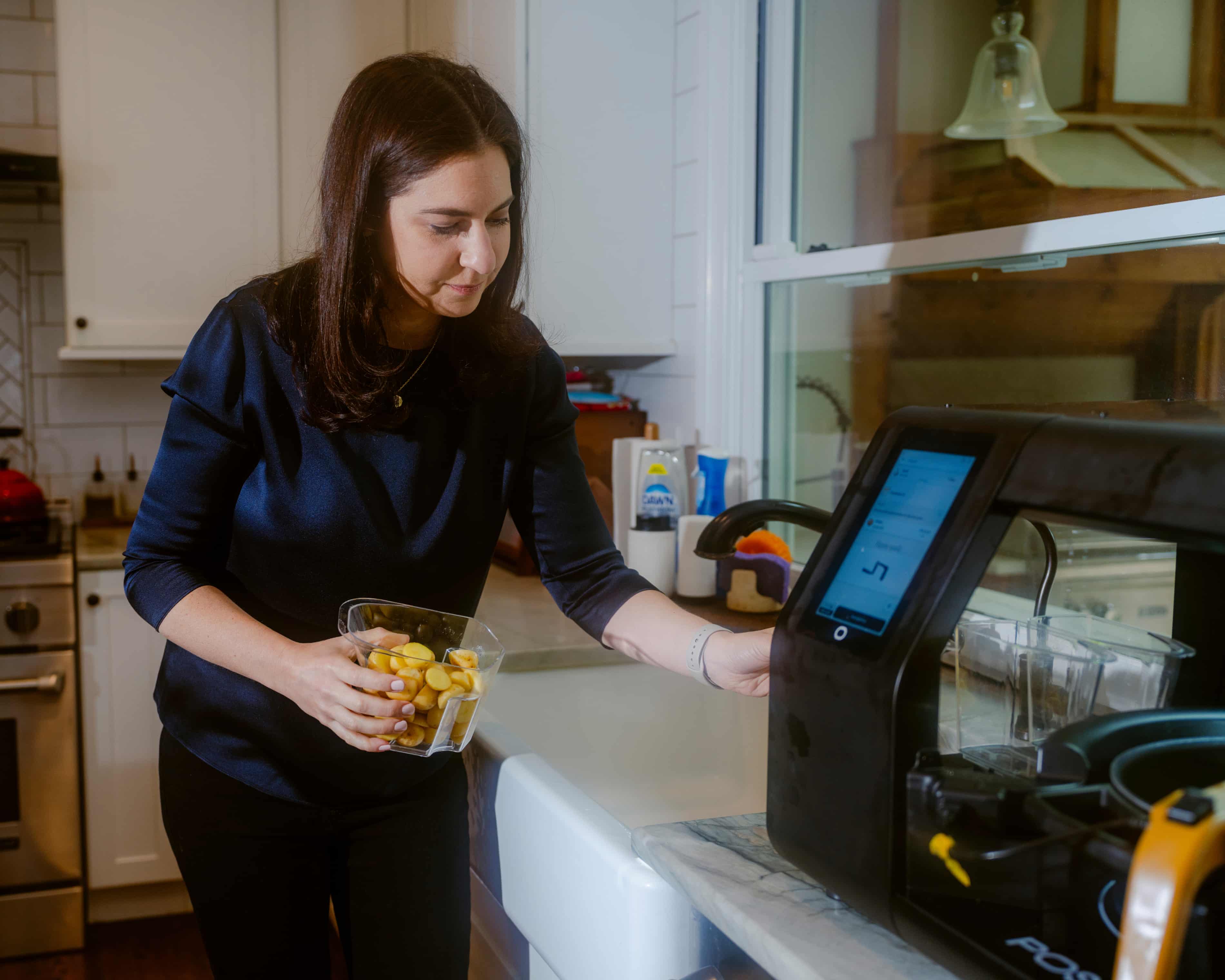
Joanna Stern dedicates a chapter to Posha in her book "I Am Not a Robot"
The Wall Street Journal tech columnist invites AI to her home, and pens all her experiences
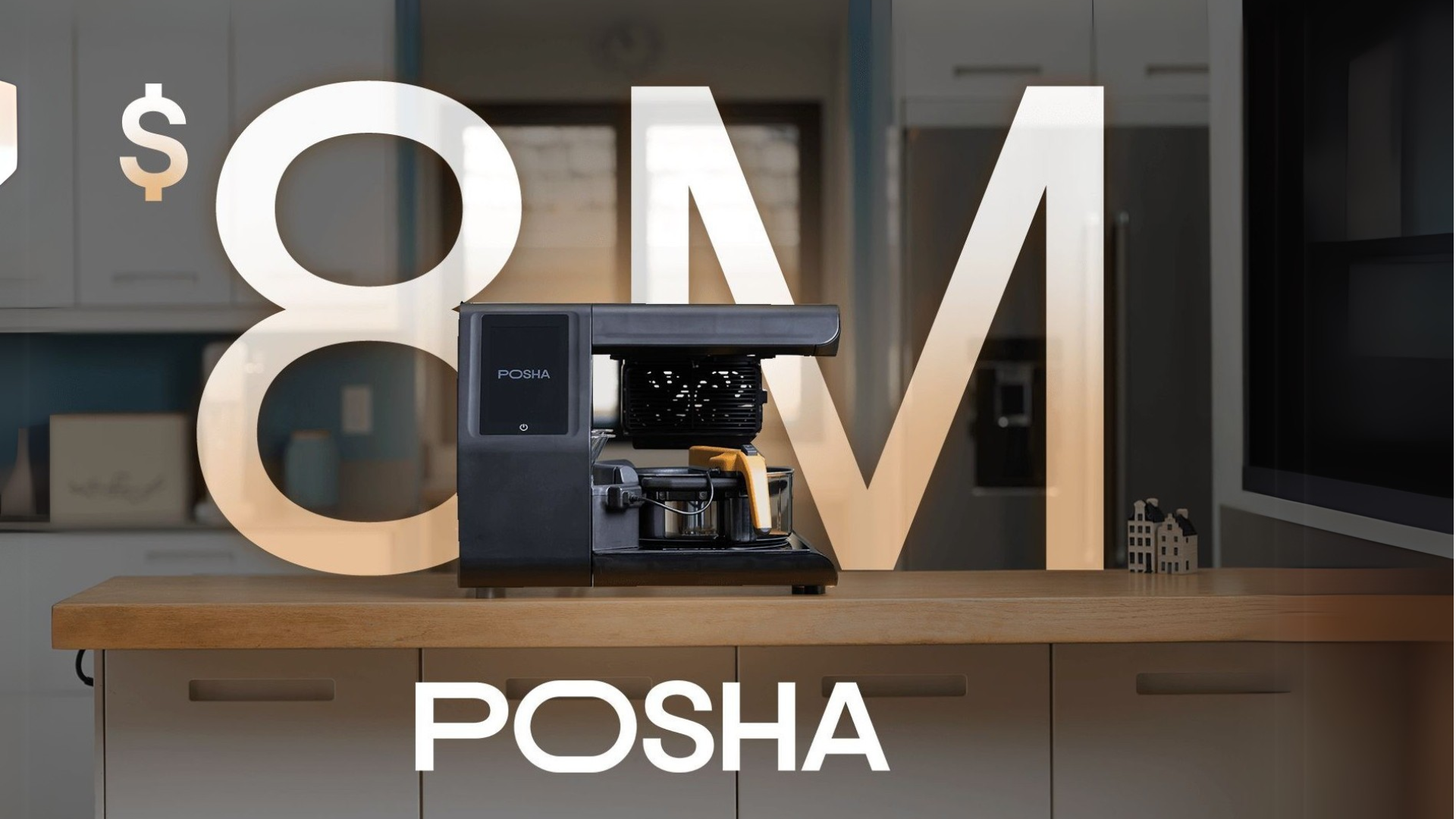
Posha raises $8M Series A to scale countertop AI chefs
Posha is just like coffee machine, but for food
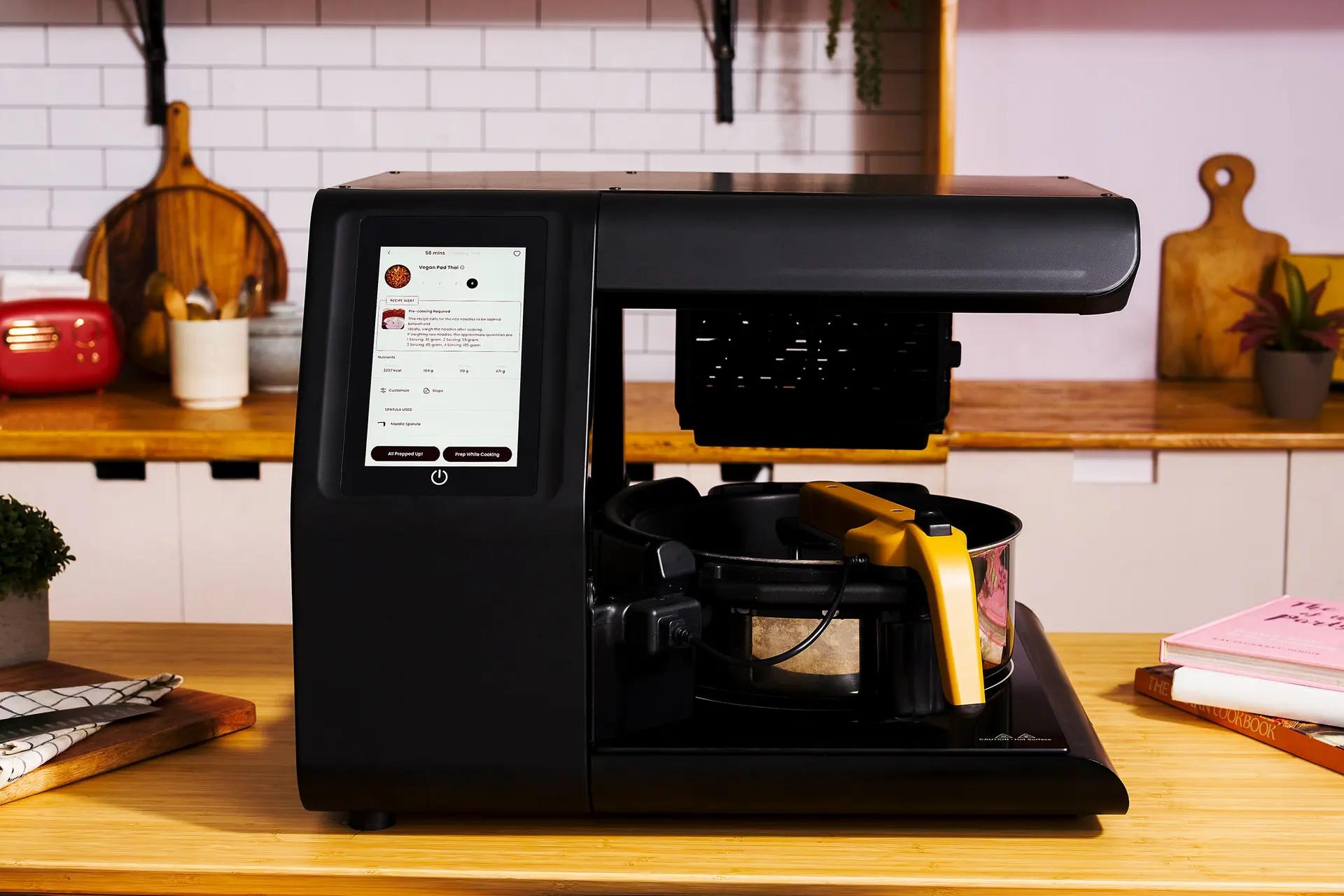
Posha named to TIME's Best Inventions of 2025
AI finally cooks dinner, saving 70% of the time spent in the kitchen

Posha goes to Japan for a cooking robot face-off
Airs on Japanese national TV while competing against Japanese robot in a cooking battle
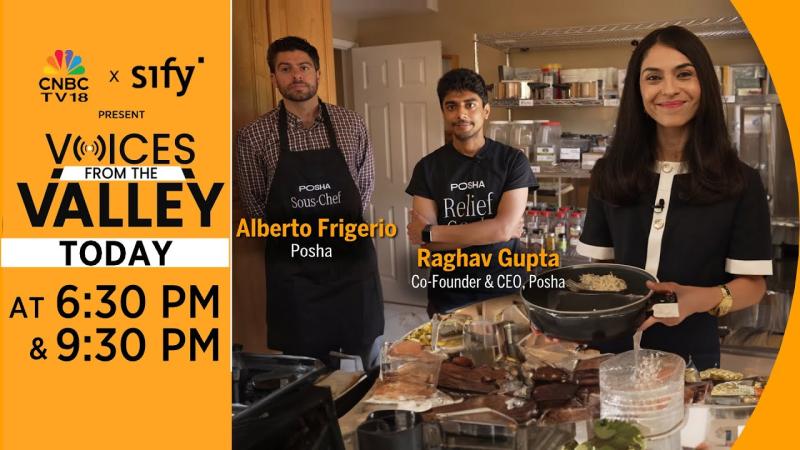
Posha's story reaches CNBC-TV18 from the Valley
Indian broadcast covers the home cooking robot's US launch
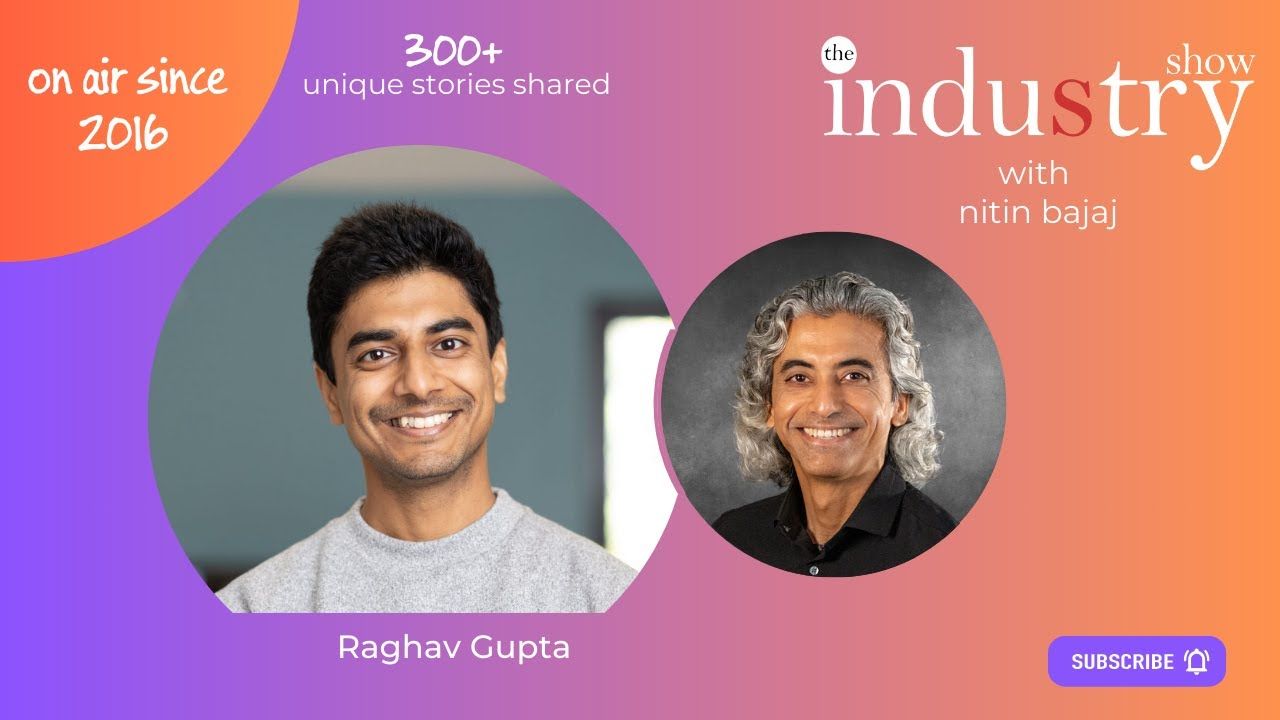
Raghav Gupta on seven years of building Posha
The founder podcast on patience, hardware, and home cooking
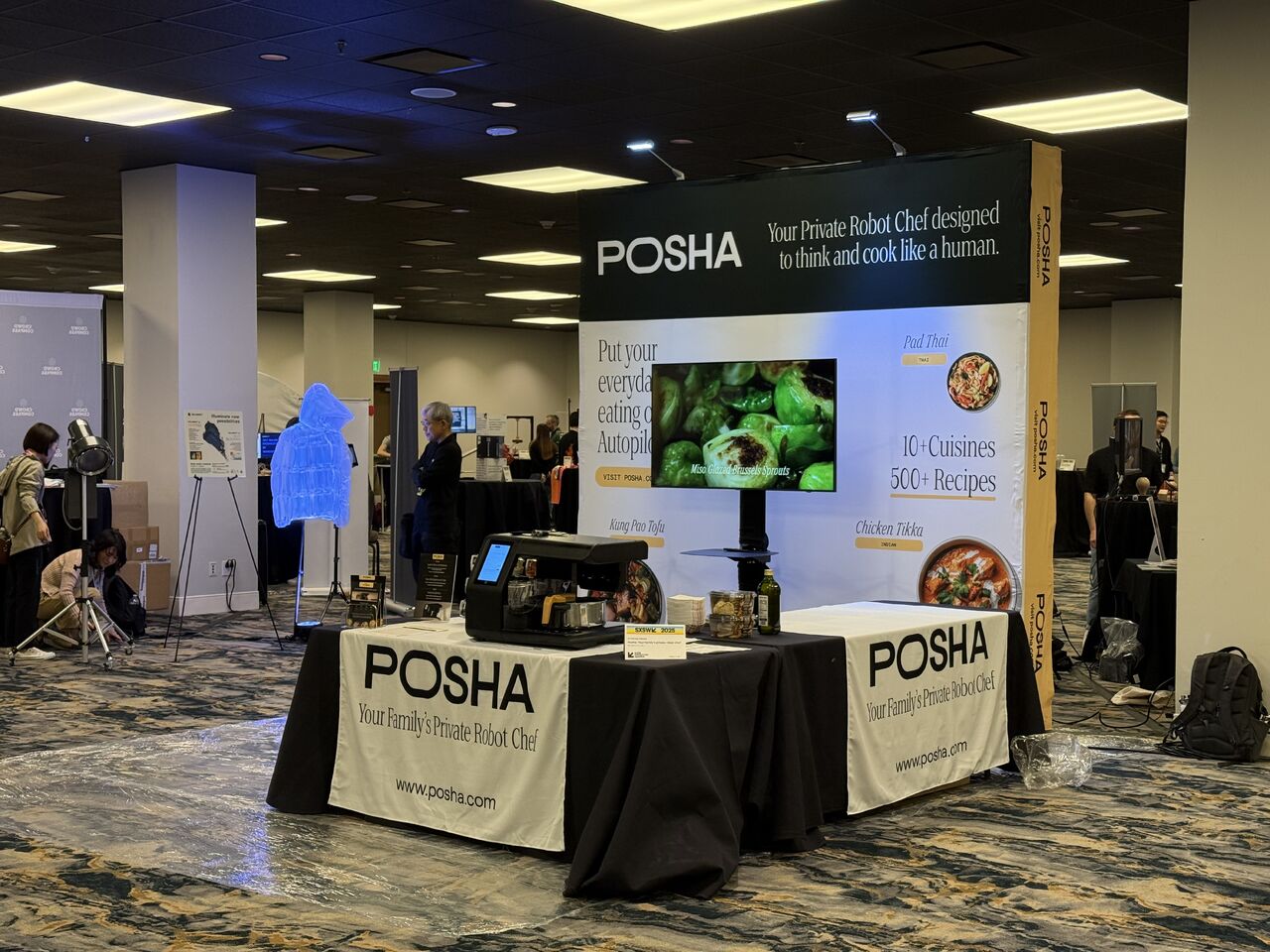
Posha wins the 2025 SXSW Innovation Award
Inducted to Mark Cuban’s SXSW Hall of Fame
That One Idea with Rohin Malhotra of Posha
Inside the Bengaluru garage where cooking robots first worked